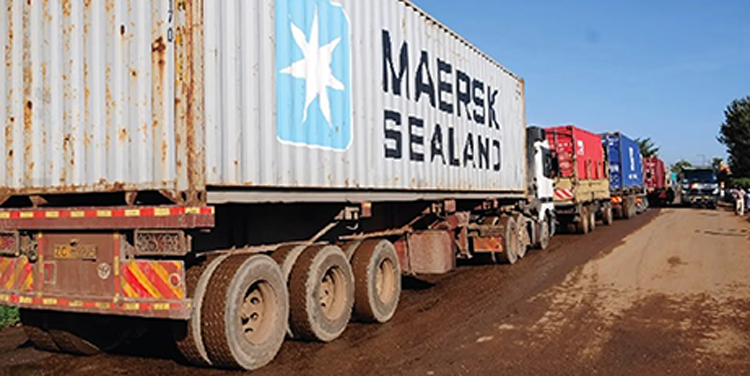
Following the official launch of the East African Community (EAC) Customs Bond by the EAC Heads of State at their summit on 7 March 2026, Partner States have begun implementing the framework at the national level, expanding the range of instruments available for securing transit cargo in the region.
The latest rollout has been confirmed in Kenya through a public notice issued by the Kenya Revenue Authority (KRA) on 17 March 2026, indicating that the EAC Customs Bond will take effect on 23 March 2026. The notice further stated that all necessary system enhancements have been completed and that KRA, together with the EAC, will provide support to ensure a smooth transition. “KRA will also carry out sensitization for customs agents and other stakeholders on the management and use of the bond,” the notice stated.
The rollout in Kenya builds on earlier regional implementation efforts, including pilots in other EAC countries, and is coordinated through their respective revenue authorities as Partner States progressively operationalize the bond. The EAC Customs Bond introduces a regional guaranteed framework that allows transit goods to be secured under a single bond across participating countries while being integrated with systems such as the Regional Electronic Cargo Tracking System for monitoring and compliance.
The introduction of the EAC Bond does not replace the Regional Customs Transit Guarantee (RCTG), which remains operational and continues to facilitate transit trade across the wider COMESA region. Instead, the two frameworks will operate alongside each other, providing traders and freight forwarders with flexibility to select the most suitable option based on corridor coverage, cost considerations, and operational needs.
For the industry, the availability of multiple bond instruments is expected to enhance efficiency by improving service delivery and responsiveness among providers, while preserving continuity in transit operations. It also enables stakeholders to match specific shipments to the most appropriate guaranteed framework without disrupting established trade flows.
FEAFFA President Mr. Charles Mwebembezi has welcomed the rollout, noting that the industry had long sought additional options to complement existing mechanisms. “The new bond offers traders a choice that is expected to deliver greater efficiency, lower premiums, and closer collaboration between insurers and freight forwarders,” he said.
According to Mr. Mwebembezi, compliance levels in the region’s transit trade have steadily improved due to professionalism efforts being promoted by FEAFFA and other stakeholders, alongside continued investments by customs administrations in technology and trade facilitation. “This progress has contributed to lower insurance premiums in recent years, and the EAC Bond offers the prospect of further cost reductions while expediting operational processes,” he said.
The president further noted that as regional and continental trade expands, both frameworks are well-positioned to play complementary roles in supporting transit regimes across different corridors. “We envision deeper cooperation between the industry and insurers in managing and implementing the bond in line with international best practice,” he added.
The writer, Andrew Onionga, is the Communications and Advocacy Officer at the Federation of East African Freight Forwarders Associations (FEAFFA) secretariat and can be reached at oniongaam@gmail.com