Tanzania logisticians have brought back on track the development of the bill to regulate the freight forwarders in the country after a brief hiatus caused by Covid 19 pandemic that stopped almost all supply chain related activities in the East African region.
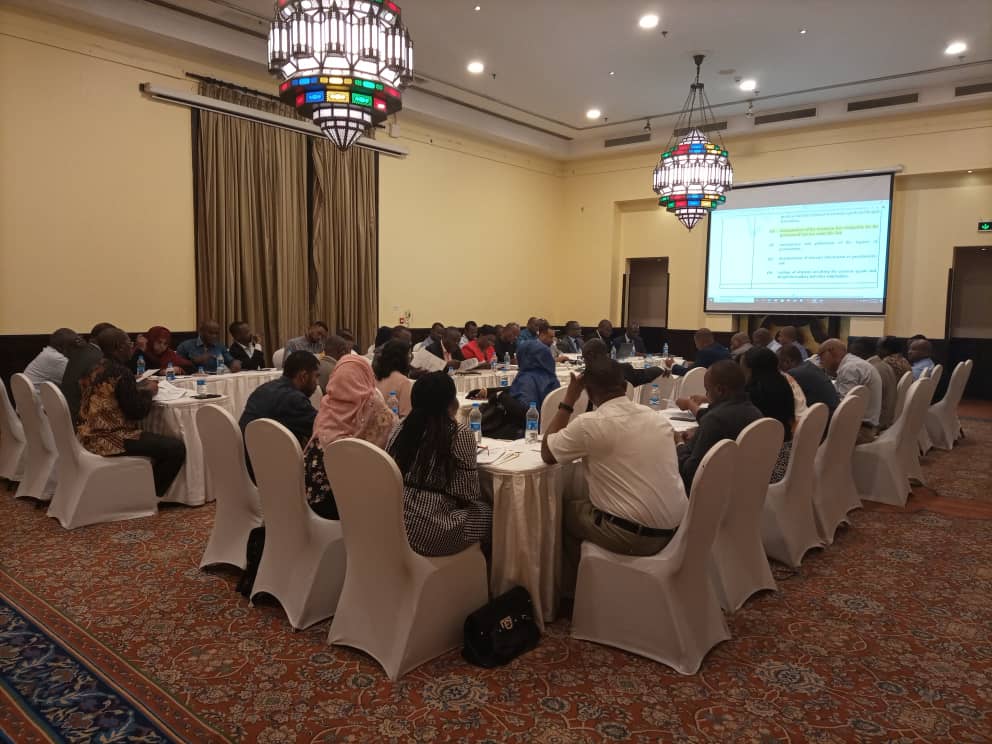
Federation of East African Freight Forwarders Associations (FEAFFA), the brain child behind the project, held a stakeholder engagement on the proposed draft Tanzanian Customs Agents & Freight Forwarders Bill, 2020 this week.
The aim of the meeting was to review the document further and get more inputs from stakeholders before engaging relevant government agencies. This is the 3rd draft so far. This meeting came after another successful one was held by the steering committee to generate consensus on key aspects of the draft document.
“We are highly optimistic that things will move with speed to have Tanzania catch up with its other regional counterparts,” Fred Seka, FEAFFA president said.
Uganda logistics industry players brought back on track the development of their bill in June when it started receiving views from the relevant government agencies. Once accommodated, the draft bill will be handed over to the Ministry of Works and Transport in Uganda that will finally introduce it to be passed into law by parliament.
The initiative on self-regulation is being supported by Trademark East African (TMEA) under the East Africa Community Logistics Skills enhancement program. Under the program, TMEA is supporting the enactment of national laws meant to govern the freight logistics industry in the republics of Uganda, Burundi, and United republic of Tanzania.
Kenya and Rwanda have also made remarkable progress on the enactment of the law. Kenya has already concluded stakeholders’ validation meetings with key players in Nairobi and Mombasa who gave a nod to the draft law and is at an advanced stage of receiving views from the remaining few government agencies to have the bill being presented to parliament.
In Rwanda, which piloted the project, the proposed draft is currently being reviewed by the Rwanda governor’s board before it is taken to parliament. Burundi has a draft document and the country is currently engaging stakeholders.
The journey to professionalize the freight forwarding industry has made remarkable success in recent years. This initiative has been spearheaded by FEAFFA, which has worked closely with other regional agencies to professionalize the sector.
The new law will regulate individual practitioners, firms providing freight forwarding, trainers and training institutions delivering freight forwarding courses.
One of the key proposals in the Bill is the creation of a competent regulatory board in each partner state of the East Africa Community (EAC) to ensure registration and professional licensing of customs clearing and freight forwarding practitioners. This law intends to create a competent authority that will regulate practice and conduct and ensure professionalism of the industry through registration.
Currently, the revenue authorities in East Africa are mandated under the East Africa Community Customs Management Act (EACCMA) to license agents and collect revenue on behalf of their respective governments.
Although the role of regulating clearing agents and revenue collection are clearly outlined under the East Africa Community Customs Management Act (EACCMA), other important aspects touching on the professional development of customs agents and freight forwarders in the region are not addressed under EACCMA.
The member countries are yet to develop regulations to operationalize the practicing of freight forwarders, exposing the industry to malpractices, corruption, lack of standards and compromised professionalism.
High competition in the market, according to drafters of the bill, leads to unfair pricing and practices which affect the integrity of both the customs and industry practitioners.
Some of the benefits of self-regulation include enhancement of quality service delivery by introducing the professional code of ethics and supplementing government regulations by filling up regulatory gaps.
Others include benefits include elimination of rogue agents through member registration and the creation a database of professional practitioners and protect the cargo owners, consumers of customs clearing and freight forwarding services and the Customs agents and freight forwarders by re-defining the existing liability clauses.
If properly regulated, the industry will uphold standard through the implementation of standard trading conditions; enhance ties with other regional National Customs authorities for increased trade; conserve government resources spent on dispute resolution by setting up an internal dispute resolution mechanism under the law and lower cost of doing business through overall industry compliance and professionalism.
For any feedback, contacts us via editorial@feaffa.com/freightlogistics@feaffa.com/info@feaffa.com; Mobile: +254703971679 / +254733780240