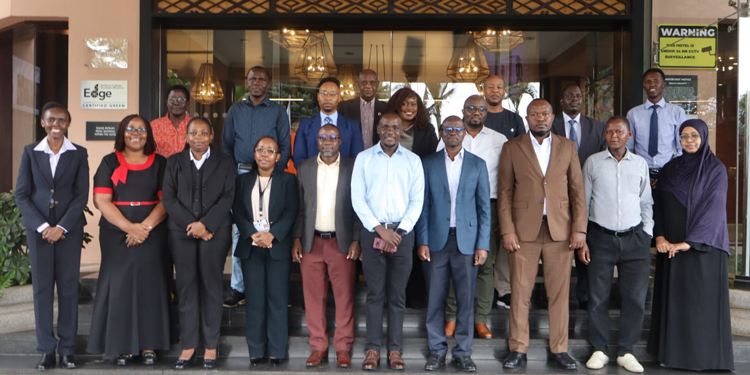
A regional capacity-building initiative led by the World Customs Organization (WCO), with support from the European Union (EU) and Deutsche Gesellschaft für Internationale Zusammenarbeit (GIZ) Kenya, is opening a new pathway for the private sector to contribute to Rules of Origin expertise in East Africa.
Implemented under the EU-WCO Rules of Origin Africa Programme, the initiative brought together freight forwarding professionals from Burundi, Kenya, Rwanda, Tanzania, and Uganda. The programme began with online learning in March 2026 and culminated in a Training of Trainers (ToT).
The objective went beyond improving individual knowledge. It was also about creating a pool of trainers who can continue transferring Rules of Origin knowledge to other professionals in the logistics and trading community.
This is important because Rules of Origin training has traditionally been driven largely by customs administrations and other public institutions. Private-sector professionals are now being brought into that pool of expertise.
This creates a direct link between technical knowledge and industry practice. Freight forwarders work closely with traders. They also handle trade documentation and support businesses through customs and logistics processes.
For them, understanding Rules of Origin is increasingly important. It helps them support traders seeking to benefit from preferential trade arrangements. It also strengthens their ability to advise on origin requirements, documentation, and compliance.
Ms. Faith Mathenge, RoO-Africa Programme Officer at WCO, said the involvement of the private sector is important in building sustainable capacity beyond government institutions.
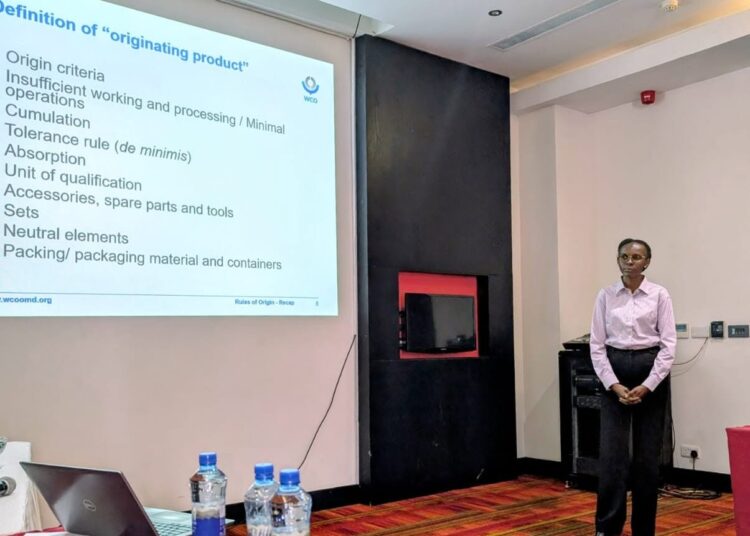
“The aim is to ensure that Rules of Origin knowledge is not confined to customs and other government institutions. By developing trainers from the private sector, we create more channels through which this knowledge can reach businesses and other practitioners.”
Ms. Laura Chao, Deputy Commissioner for Trade Facilitation at the Kenya Revenue Authority, also highlighted the importance of building a stronger understanding of Rules of Origin among trade practitioners.
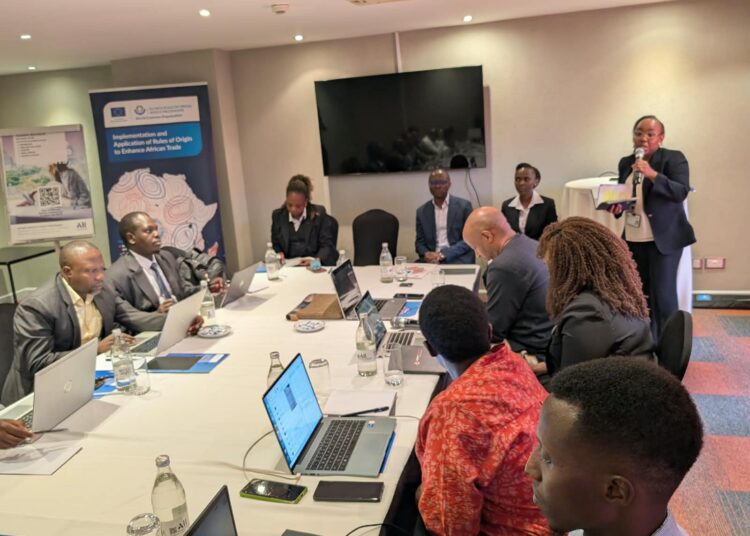
“The private sector is an important part of the trade ecosystem. When freight forwarders understand Rules of Origin, they are better placed to support traders and contribute to compliance and trade facilitation.”
For FEAFFA, the initiative also demonstrates the value of collaboration with its national association members.
FEAFFA worked closely with the national freight forwarding associations in Burundi, Kenya, Rwanda, Tanzania, and Uganda to identify professional freight forwarders for the programme. The participants were seconded by their respective national associations.
The leadership of the national associations also participated in the advanced physical training sessions held in their respective countries. This helped strengthen the connection between the regional programme and the national industry structures.
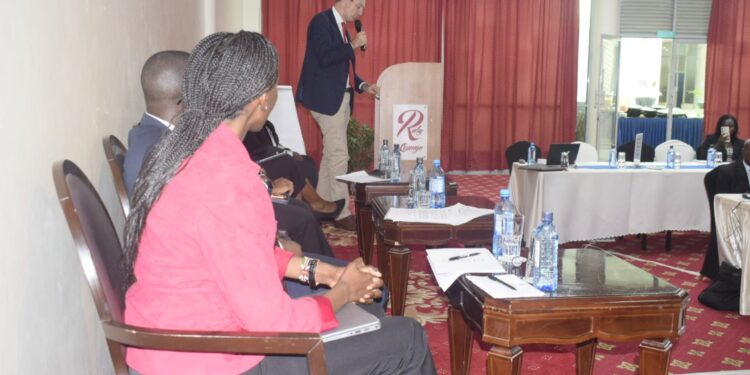
For one of the participants, Mr. Mukunziwayezu Igor, a declarant at International Freight Logistics, Burundi, the programme offered an opportunity to deepen technical knowledge while preparing to share it with others.
“Before this programme, my understanding of Rules of Origin was mainly from the perspective of my day-to-day work. The training has given me a much broader understanding, and the ToT has shown me how I can pass that knowledge on to others in the industry,” he said.
FEAFFA President Charles Mwebembezi said the involvement of freight forwarding professionals creates an important link between technical knowledge and practical application.
“Freight forwarders are closely connected to traders and the movement of goods. Having industry professionals who can train their peers brings Rules of Origin knowledge closer to where it is applied and creates an additional channel for supporting businesses.”
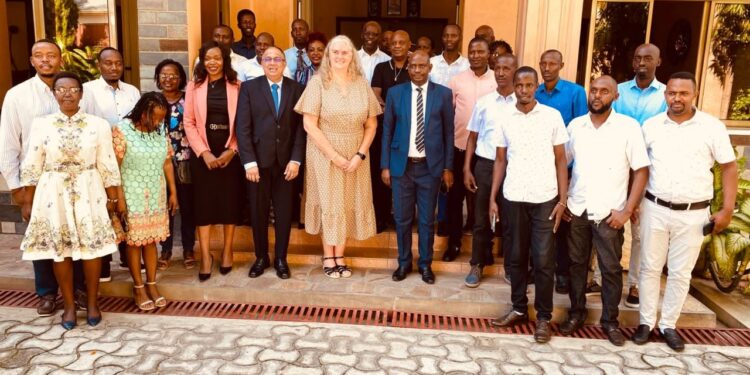
The final ToT brought together selected participants who had progressed through the earlier stages. The focus was now on how to transfer knowledge to others.
The new trainers can contribute to future capacity-building activities for freight forwarders and other trade practitioners. This creates a multiplier effect. Knowledge gained by one group can reach a much wider industry audience.
FEAFFA Executive Director Elias Baluku said this is where the long-term value of the programme lies.
“The objective is to create capacity that can continue to grow within the industry. When private-sector professionals are equipped to train others, the knowledge is no longer limited to a few individuals or institutions. It can be shared across the wider freight forwarding community and sustained through professional development.”
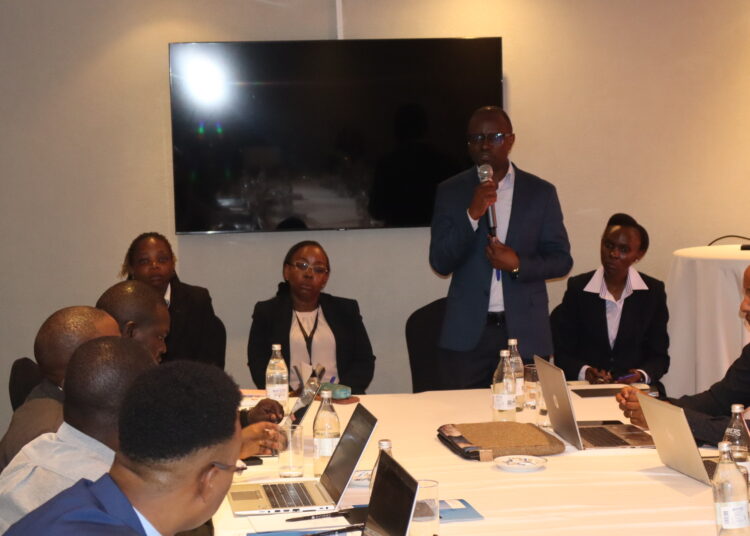
FEAFFA was among the key industry partners supporting the initiative. The Federation worked with the WCO, GIZ Kenya, national freight forwarding associations, and other stakeholders to facilitate private-sector participation.
The role of FEAFFA and its members also demonstrates the importance of collaboration in regional capacity building. The Federation provides the regional platform. Its national associations connect that platform to freight forwarders in each country.
The involvement of private-sector trainers does not replace the important role of customs experts. It complements it.
It creates another source of expertise within the trade and logistics ecosystem. It also gives the industry a greater role in developing and sharing the knowledge it needs.
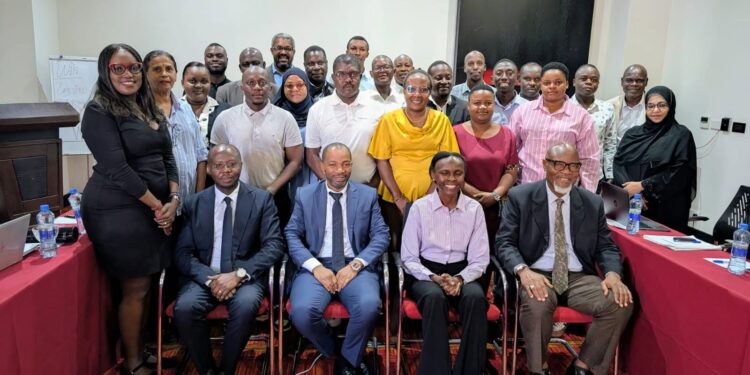
For East Africa’s logistics sector, the benefit goes beyond the professionals who completed the programme. The new trainers can support future learning. They can contribute to CPD programmes. They can also help colleagues and other industry practitioners better understand Rules of Origin.
The journey that started with online learning in March 2026 has therefore created something more lasting. It has helped establish a foundation for a regional pool of private-sector professionals who can contribute to continued capacity building on Rules of Origin.
For FEAFFA, this supports its wider role in strengthening professional capacity in the freight forwarding industry. It also reinforces the importance of partnerships in supporting trade facilitation and deeper regional and continental trade integration.
The writer, Andrew Onionga, is the Communications and Advocacy Officer at the Federation of East African Freight Forwarders Associations (FEAFFA) secretariat and can be reached at oniongaam@gmail.com.