3 October 2026 | By Antipas Gai Deng
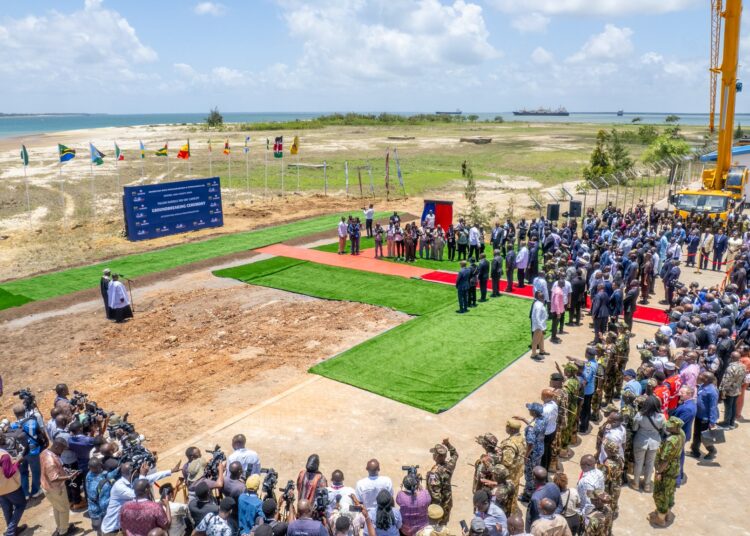
On 30 September 2026, Nigerian industrialist Aliko Dangote and Kenyan President William Ruto broke ground on the Dangote East Africa Refinery at Mokowe, in Lamu County. Uganda’s President Yoweri Museveni and Ethiopia’s Prime Minister Abiy Ahmed attended. The plant is designed to process 700,000 barrels of crude a day, with completion targeted for 2029 to 2030 and a cost of $16 billion to $20 billion, depending on who is counting.
For trade and logistics professionals in East and Central Africa, this is more than a refinery story. The plant sits inside the Lamu Port, South Sudan, Ethiopia Transport Corridor, known as LAPSSET, a project launched in 2012 to give two landlocked countries a second route to the sea. For 14 years, the corridor has had a port, but too little cargo and too few links to the interior. This article explains why it stalled, what the refinery changes, and what South Sudan and the region’s forwarders should do now.
Background: what LAPSSET is
Kenya, South Sudan, and Ethiopia launched LAPSSET on 2 March 2012, with a budget of more than $20 billion. The logic was simple. South Sudan exports almost all its oil through pipelines crossing Sudan to Port Sudan and imports most of its goods through Mombasa, Nairobi, and Kampala before reaching the border at Nimule. A new corridor from the deep-water coast at Lamu would give both South Sudan and Ethiopia another option.
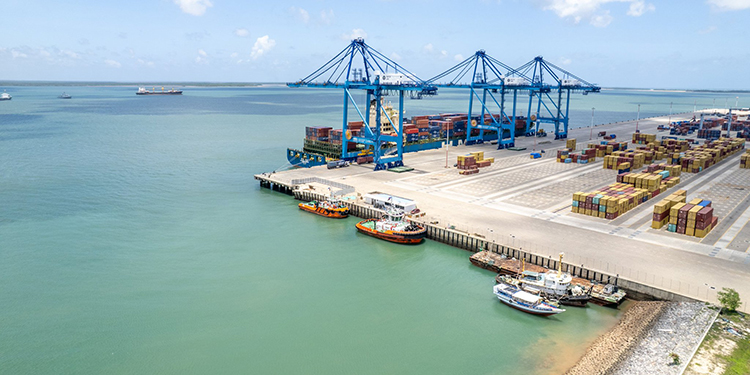
Planned components included a deep-water port at Lamu, a highway to the South Sudan border at Nadapal, crude and fuel pipelines, a standard-gauge railway, and a refinery. Fourteen years later, only the port is partly working: its first three berths, out of 23 planned, have been completed. Kenya has built much of its side of the road to Nadapal, but the Juba-Torit-Kapoeta-Nadapal section in South Sudan is unbuilt. The crude pipeline and railway remain at the study stage.
Why the corridor stalled
South Sudan was LAPSSET’s founding rationale, yet every South Sudan component has stalled. The pattern repeats: urgency during a crisis with Khartoum, then drift once oil flows resume.
- South Sudan’s output fell from roughly 350,000 barrels a day before 2012 to well under 200,000, too little to justify a dedicated pipeline costing billions of dollars.
- Civil war from 2013 to 2018 and continued insecurity made investors cautious.
- Partner decisions. Uganda chose the pipeline to Tanzania in 2016, and Kenya decided to build a Lokichar-only line.
- Relief that removed urgency. Each time exports through Sudan resumed, pressure to build an alternative eased.
Meanwhile, the risks of the current route have grown. Oil supplies nearly 90% of South Sudan’s government income and passes through a war zone. Exports through Sudan were disrupted from February 2024, and flows were restored only in early 2025.
What the refinery changes
The refinery matters for one reason above all: it brings the anchor customer the corridor never had. Infrastructure corridors fail when built ahead of demand. A plant processing 700,000 barrels a day creates permanent demand for crude in, fuel out, power, storage, and services, and that changes the financing case for everything around it.
Key facts:
- Crude plan: Kenya’s chief economic adviser, David Ndii, has projected 350,000 barrels a day from South Sudan, 250,000 from Uganda, and 120,000 from Kenya. These are projections, not contracts.
- Ownership: Dangote Group, with up to 30% of the equity offered to East African governments.
- Related plans: a Turkana-to-Lamu crude pipeline and fuel pipelines to Ethiopia.
Three shifts follow. A South Sudan pipeline spur could join Kenya’s Turkana-Lamu line near Lokichar and share its costliest section. South Sudan could sell crude to a nearby regional buyer instead of paying transit fees to Sudan. And fuel flows could eventually reverse, with South Sudan’s petroleum imports arriving through Nadapal instead of Mombasa, Kampala, and Nimule.
The project still carries real risks. Crude supply is not secure: Uganda has committed its crude to the Tanzania pipeline and to its own Hoima refinery, and Tanzania’s Tanga hub is a competing project. The South Sudan figure is a projection, not a contract. Oil storage and pipeline links at Lamu are not yet in place. And 133 Chandavai residents have sued over land, with a Kenyan court ordering the status quo on the site until a hearing on 14 October.
What it means for South Sudan
The refinery is South Sudan’s best chance in a decade to end its dependence on a single export route, but the window is narrow. Dangote will lock in crude contracts and pipeline routes between 2026 and 2028, with or without Juba.
Opportunities: export security, bargaining power as the largest projected regional crude source, cheaper regional fuel, and the opening of Eastern Equatoria through a Torit-Kapoeta road.
Threats: being bypassed if Juba stays silent; weak public finances with a general election scheduled for 22 December 2026; resistance from Sudan over lost transit fees; insecurity along any pipeline route; and an unanswered question on whether Lamu’s design can handle South Sudan’s Dar and Nile blends.
What it means for trade and logistics
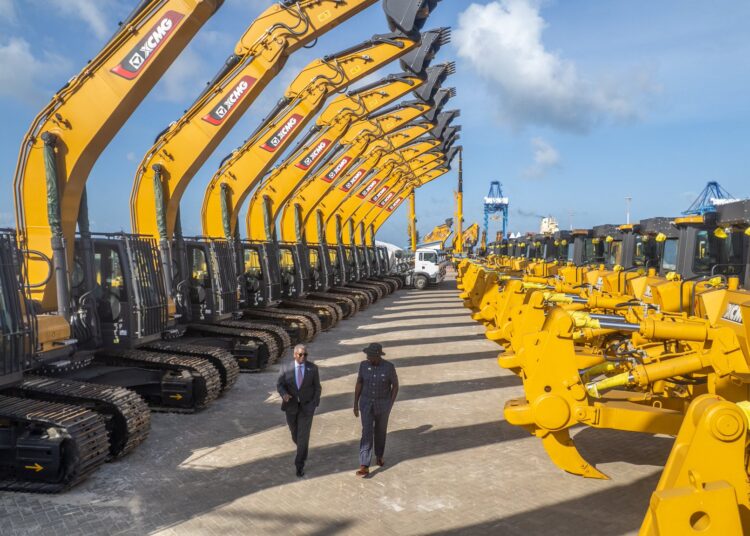
Near term (2026 to 2029): building the plant needs heavy equipment, steel, and marine works, mostly imported. Forwarders, customs agents, and heavy-haul operators in Kenya will see the first wave of business, and regional firms with Kenyan partners can compete for it.
Medium term (2030 onward): if Lamu begins supplying South Sudan with fuel through Nadapal, some tanker volume could move away from the Northern Corridor. Border towns that depend on that traffic would feel it first.
Systems: a new Nadapal crossing needs electronic cargo tracking, a single window, and agreed procedures from day one, or it will repeat the delays at existing borders.
The Northern Corridor will remain the main artery for years. The practical lesson is to plan for two corridors rather than one.
What South Sudan should do
- Appoint one negotiating team for the Lamu file, with a mandate across petroleum, finance, roads and foreign affairs.
- Sign a memorandum of understanding with Kenya and Dangote on crude supply volumes, specifications, and a pricing formula.
- Seek a share of the equity on offer to regional governments, financed through crude rather than cash, with transparent terms to avoid hidden debt.
- Fund the Juba-Torit-Kapoeta-Nadapal road with a named contractor, budget and start date, and open a one-stop border post.
- Commission an independent feasibility study for a pipeline spur to Lokichar, compared honestly against the Djibouti option.
- Negotiate product-swap and fuel supply terms, and name South Sudanese engineers in the training agreements.
- Keep the Port Sudan route open and use Lamu as leverage on transit fees, aiming for two export routes with neither carrying more than about 70% of volume.
Across all steps, South Sudan needs transparent oil revenue reporting so lenders will finance a pipeline and a joint Kenya-South Sudan security protocol for the corridor.
Conclusion
LAPSSET was never short of ambition. It was short of cargo, money, security, and political follow-through. The Dangote refinery supplies the first and may help attract the rest. But a groundbreaking is not an opening, and a supply plan on paper is not oil in a pipeline.
For South Sudan, the cheapest first step is not a pipeline. It is a negotiating team, a signed understanding with Kenya and Dangote, and a road from Juba to Nadapal that has waited long enough. For traders and forwarders, the message is to prepare for both corridors now rather than wait to see which wins.
About the author: Antipas Gai Deng is Director of Frontiergate Co. Ltd, a trade and logistics analyst and a practicing freight forwarder at Nimule border between South Sudan and Uganda. He is the Communication Officer of the South Sudan Freight Forwarders Association (SSFFA), Nimule Station, and writes on corridors, customs, trade facilitation, and digital systems in East and Central Africa. The views expressed are his own.
Key sources
- Africa: Dangote breaks ground on Lamu refinery
- Africa: refinery has no secure crude supply
- OilPrice: project cost and timeline
- Semafor: East Africa’s refinery rivals take on Dangote
- Atlas Institute: political risk to the LAPSSET corridor
- Eye Radio: Juba-Nadapal highway funding agreement
- Sudan Tribune: South Sudan resumes oil exports after drone attacks
- Business Daily: Lamu Port vessel calls