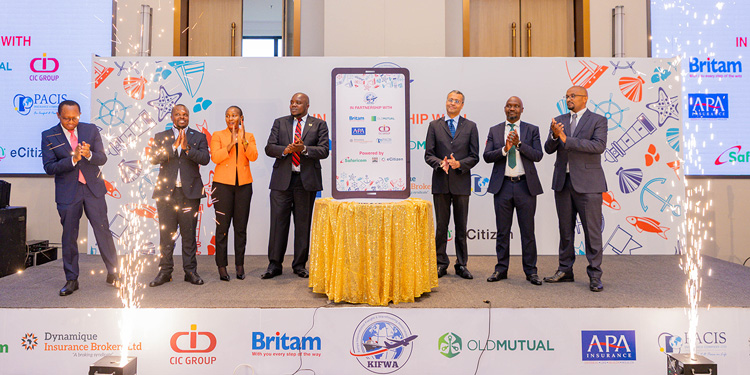
What used to be handled separately after shipment planning is now becoming part of the customs process itself, and this is changing how cargo moves through East Africa in a very practical way. From a FEAFFA perspective, Kenya’s Marine Cargo Insurance (MCI) system represents a major shift in how marine insurance is applied in everyday trade operations. The system went live on 1 July 2026 following its launch on 30 June 2026 and now makes it mandatory for all imports into Kenya to have marine cargo insurance locally issued before clearance is completed.
To understand why this matters, it helps to start with what has changed in simple terms. Earlier, importers and freight forwarders could arrange marine insurance separately from customs clearance, often through external insurers or as part of shipping agreements also known as Incoterms. Now insurance has been built directly into the customs system itself. This means it is no longer an optional or parallel process; it is part of clearance.
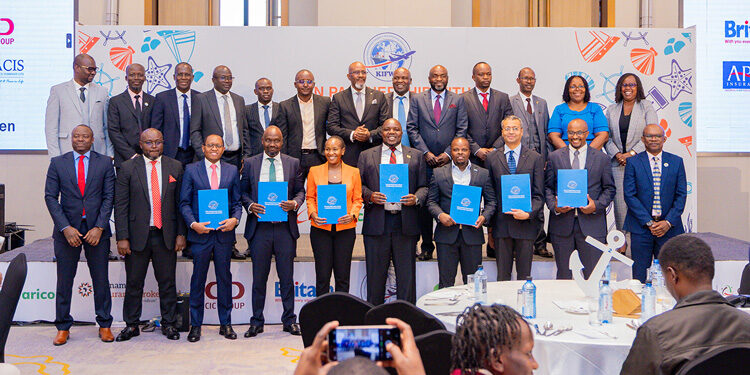
The system behind this change is the MCI platform developed by Safaricom Limited. It is connected directly to the Kenya Revenue Authority Integrated Customs Management System (ICMS) and supervised by the Insurance Regulatory Authority (IRA). What this integration does is simple but important: once an Import Declaration Form (IDF) is created, the system automatically generates a marine insurance quotation based on the Harmonized System (HS) code of the goods.
At this point, insurance is no longer manually negotiated traditionally. Instead, the HS code and cargo details determine the insurance premium through a standardized system. A group of local insurers, including Britam, CIC Insurance Group, Old Mutual, APA Insurance, and others, provide the cover under a shared arrangement with Britam acting as the lead underwriter.
Once the quotation is generated, the importer or clearing agent pays through the eCitizen portal or approved banking channels. After payment, the insurance certificate is issued instantly and sent digitally for customs use. In practice, this means customs declaration insurance and clearance are now part of one continuous digital process.
For clearing and forwarding agents, the introduction of the MCI changes daily work in a very practical way. Insurance is no longer a separate task handled alongside customs work. It is now embedded inside the same workflow. This improves speed and reduces paperwork, but it also means that accuracy becomes more important than before. A small error in HS code classification or cargo description now directly affects insurance cost, cover validity, and clearance progress.
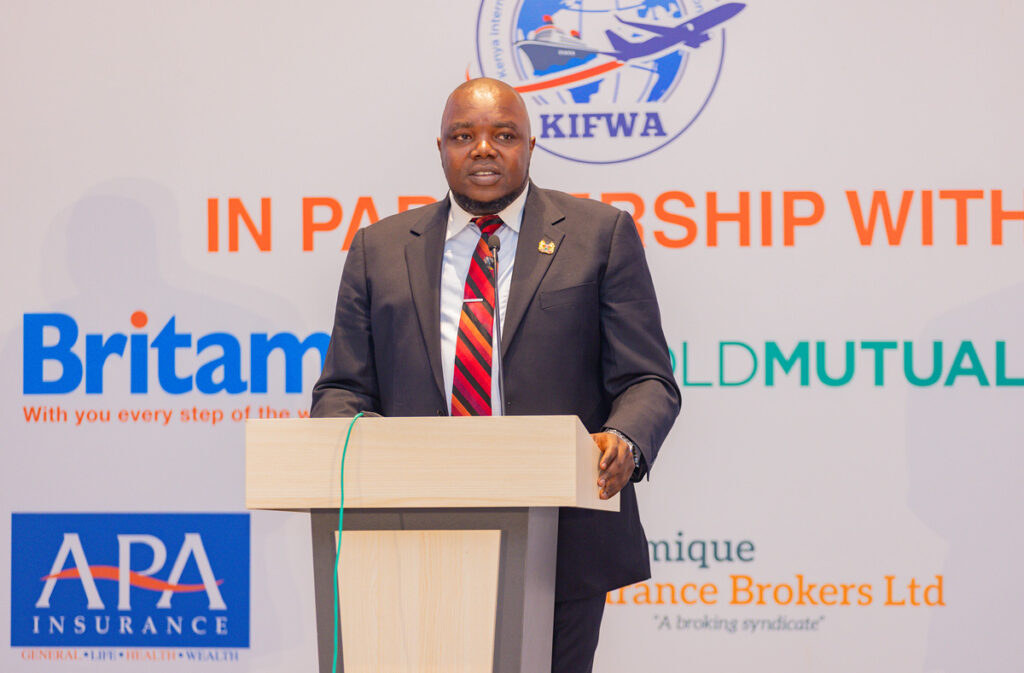
According to Mr. Fredrick Aloo, National Chairman of the Kenya International Freight and Warehousing Association (KIFWA), the development reflects a significant modernization of the sector. “The integration of marine insurance into the customs system is a major step forward for the industry. It brings structure, speed, and transparency into a process that has for a long time been fragmented,” he said. He added that clearing and forwarding agents see this as alignment with global digital trade practices and an important improvement in efficiency.
There is also a second important effect that is starting to become clear in the market. Because insurance is now tied to customs and must be issued locally, importers and exporters are being forced to review how their contracts are structured. Recent industry discussions have highlighted the need for importers to review their commercial agreements and insurance responsibilities.
The main issue here is Incoterms. Terms such as Cost Insurance and Freight (CIF), Cost and Freight (CFR), and Free On Board (FOB) now need to be looked at more carefully. In some cases, insurance may already be included in the supplier pricing, while the Kenyan system requires locally issued insurance before clearance. If this is not aligned properly, there is a risk of double insurance costs or unnecessary duplication of cover. This is why freight forwarders are now increasingly being drawn into advising clients not only on shipping and documentation but also on contract structure and cost implications.
Uganda has also been piloting a similar marine cargo insurance integration model within its customs system. While still in a testing phase, it shows that the direction is not limited to Kenya. Instead, the region is gradually moving towards systems where insurance is directly linked to customs platforms. This suggests that marine insurance may increasingly become a regulated part of trade systems across East Africa rather than a standalone commercial arrangement.
From a regional leadership perspective, Mr. Charles Mwebembezi, President of the Federation of East African Freight Forwarders Associations (FEAFFA), emphasizes that this shift requires both awareness and adaptation across the sector. “What we are seeing is a fundamental change in how trade is being structured in East Africa. The integration of insurance into customs systems shows that the logistics industry must now reposition itself,” he said. He observed that those who adapt early will be better placed to gain efficiency, improve compliance, and remain competitive in a more digital trade environment.
From a technical side, the system also introduces new operating rules that users need to understand. Insurance certificates are valid for 90 days with coverage extending up to 180 days depending on shipment timelines. VAT does not apply to premiums, although electronic tax compliance through systems such as eTIMS remains mandatory. Claims are handled under a lead underwriter system where one insurer coordinates settlement with the others involved.
During implementation discussions, several practical issues have already come up that directly affect daily operations. These include split shipments, consolidated cargo, multiple consignments under one declaration, refunds for cancelled policies, goods sent for repair and reimportation, and bulk payment arrangements. These are important because they are not theoretical issues but real situations that clearing agents and importers deal with regularly.
What this means in simple terms is that marine insurance is no longer something arranged after thinking about shipment details. It now needs to be considered at the planning stage before cargo even moves. For importers and exporters, this affects cost planning and contract decisions. For clearing and forwarding agents, it affects how accurately data is captured and how well systems are used.
From a FEAFFA perspective, this development is part of a broader shift in East Africa’s trade environment. The main benefit is faster processing, better visibility, stronger compliance, and increased participation of local insurance markets in trade financing. The system also strengthens domestic insurers by ensuring that marine cargo insurance premiums for imports are retained within the local financial ecosystem rather than being placed offshore.
At the same time, the challenge is that all players now need to adapt to a more connected system where decisions in one area immediately affect another. Contract structures, Incoterms selection, insurance responsibility, and clearance planning are now more closely linked than before.
What is emerging in Kenya and being tested in Uganda is a new way of handling trade documentation and risk. Marine insurance is no longer separate from customs; it is becoming part of the same system that moves goods across borders in East Africa.
The writer, Andrew Onionga, is the Communications and Advocacy Officer at the Federation of East African Freight Forwarders Associations (FEAFFA) secretariat and can be reached at oniongaam@gmail.com.