Burundi freight forwarders have taken a significant step forward in closing the capacity gap with the rest of the East African region following the successful conclusion of a targeted Continuing Professional Development (CPD) programme conducted in Bujumbura and the Kobero border.
Launched in March 2026, the programme brought together 150 clearing and forwarding agents, equipping them with practical skills tailored to their day-to-day operations. The training focused on critical areas, including the WTO Agreement on Customs Valuation, regional integration frameworks such as the AfCFTA, freight logistics, and ethics and professional integrity.
This capacity-building initiative was made possible through the support of TradeMark Africa (TMA) Burundi in collaboration with the Association Burundaise des Agents en Douane et Transitaires (ABADT), the Burundi Revenue Authority (OBR), and the Federation of East African Freight Forwarders Associations (FEAFFA), under FEAFFA’s established CPD policy framework.
The programme was strategically designed to address an existing capacity gap between Burundi and other East African Community (EAC) Partner States. The regional training curriculum, previously offered under the East Africa Customs and Freight Forwarding Practicing Certificate (EACFFPC), was updated approximately five years ago into what is now known as the Certificate in Customs and Freight Logistics (CCFL). However, its rollout in Burundi has been delayed due to resource constraints to translate the training materials to French, which remains the primary language of training.

As a result, Burundi agents have not accessed the updated curriculum already in use across the region. The CPD programme was therefore deliberately structured as an interim solution to bridge this gap, ensuring that agents in Burundi are brought closer to their regional counterparts.
The initiative also builds on the strong collaboration between ABADT and TMA and responds to key recommendations from the Global Logistics Convention 2025 held in Bujumbura, where the need for enhanced sector capacity building was strongly emphasised. The course content was carefully aligned with the updated curriculum to give participants practical exposure to its key components.
Efforts are ongoing to secure resources for the full rollout of the updated CCFL curriculum in Burundi, ensuring long-term sustainability in skills development.
Speaking during the certificate award ceremony, ABADT President Mr Floribert Nzoyihera was confident the programme would have a positive impact, noting that it had significantly strengthened the knowledge and competencies of agents in Burundi. He emphasised that the training came at a critical time as the country works to enhance the competitiveness and efficiency of its logistics services in line with regional standards.
The Burundi Revenue Authority (OBR) also played a key role in the programme by seconding technical experts to facilitate sessions on selected topics, further reinforcing the practical relevance of the training.
Mr Christian Nibasumba, TradeMark Africa Country Representative in Burundi, reaffirmed TMA’s commitment to supporting capacity-building initiatives aimed at bridging knowledge gaps and enhancing service delivery within the logistics sector. He underscored the vital role freight forwarders play in facilitating trade, noting that a strong understanding of customs procedures and documentation is essential in expediting cargo clearance.

In a message delivered on behalf of FEAFFA President Mr Charles Mwebembezi, it was emphasised that CPD programmes remain a key pillar in promoting professionalism and compliance across the industry. He noted that persistent skills gaps and low levels of professionalism continue to affect service delivery, reaffirming FEAFFA’s commitment to addressing these challenges through sustained capacity-building efforts.
Participants were awarded certificates upon completion and will also earn CPD points in line with the existing regional CPD framework.
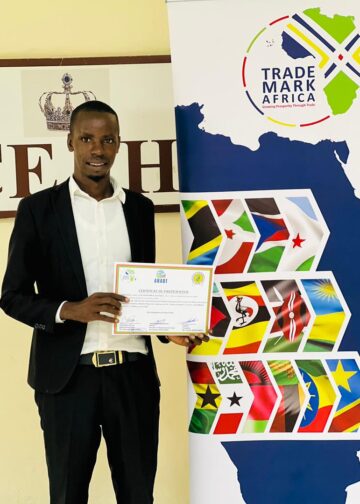
Participants were encouraged to apply the knowledge gained to improve the quality and efficiency of their services, ultimately contributing to a more competitive and integrated regional logistics sector.
As efforts continue to mobilise resources for the full rollout of the updated curriculum, such targeted interventions remain critical in ensuring Burundi moves in tandem with the rest of the region, leaving no freight forwarder behind in the journey toward a more professional, harmonised, and competitive logistics industry.
The writer, Andrew Onionga, is the Communications and Advocacy Officer at the Federation of East African Freight Forwarders Associations (FEAFFA) secretariat and can be reached at oniongaam@gmail.com.