The efficiency of international trade depends not only on infrastructure, systems, and processes but also on the level of cooperation and understanding among the different stakeholders involved in the movement of goods.
As supply chains become increasingly complex, customs administrations and the private sector must continue strengthening their partnership to achieve a shared objective: facilitating legitimate trade while protecting society, ensuring compliance, and safeguarding government revenue.
Technology is creating new opportunities to support this collaboration by improving knowledge sharing, strengthening capacity, and creating a better understanding of the roles and responsibilities of different actors within the trade ecosystem.
The Federation of East African Freight Forwarders Associations (FEAFFA) continues to support initiatives that promote professionalism, innovation, and cooperation within the freight forwarding industry. As part of this commitment, FEAFFA participated in the World Customs Organization (WCO) Virtual Reality Assisted Training (VRT) Programme hosted by the World Customs Organization East and Southern Africa Regional Office for Capacity Building (WCO ESA ROCB) in Nairobi, in collaboration with FEAFFA’s Kenyan member, the Kenya International Freight and Warehousing Association (KIFWA).
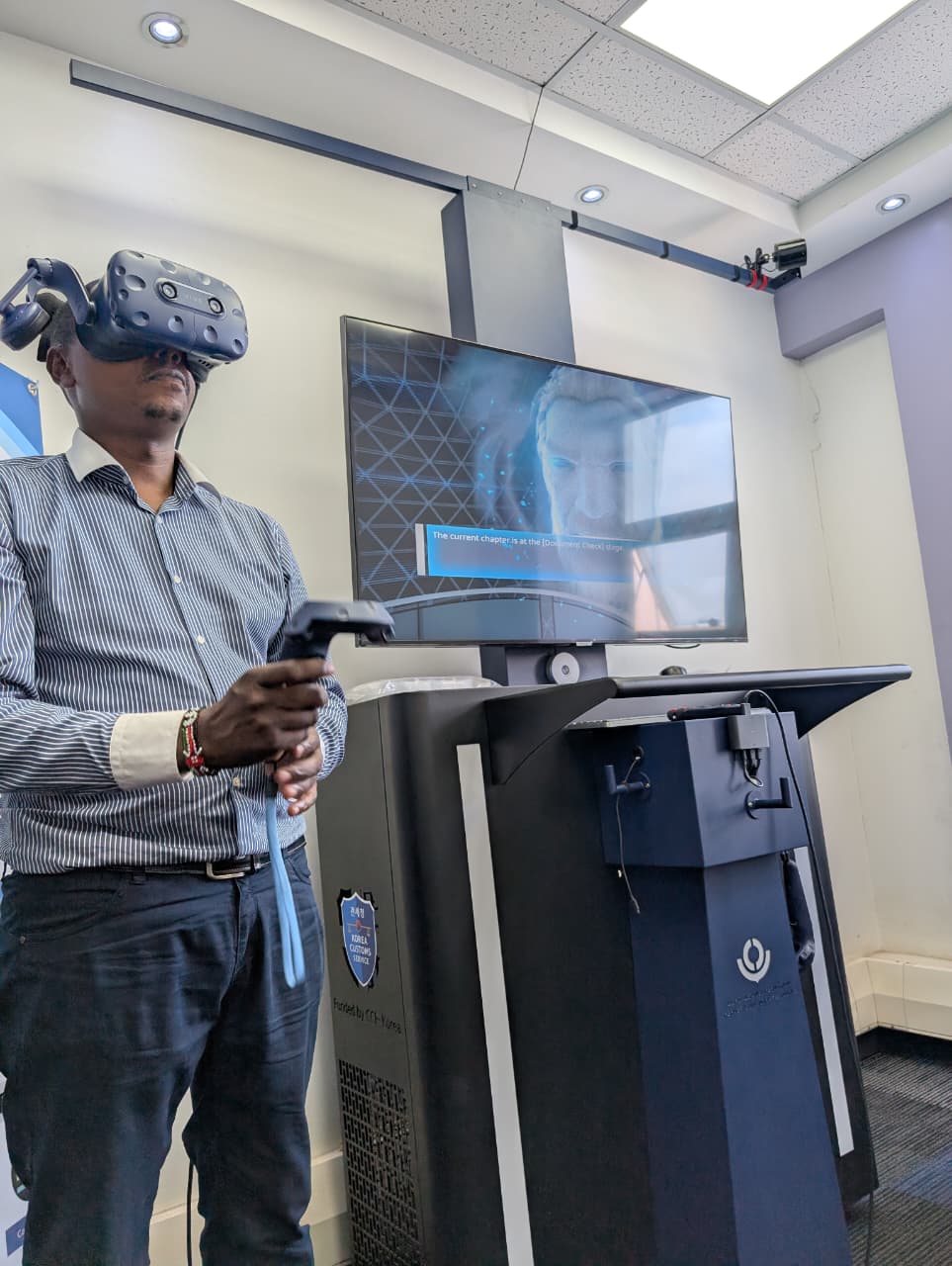
The programme introduced freight forwarders to an innovative virtual learning environment designed to strengthen their understanding of customs procedures, including risk profiling, cargo verification, inspection processes, and clearance procedures.
For customs administrations, risk management is a critical function in balancing trade facilitation with regulatory responsibilities. Through risk profiling, customs authorities are able to identify shipments that require further attention while enabling compliant trade to move more efficiently. This approach allows resources to be directed towards higher-risk areas while reducing unnecessary delays for legitimate businesses.
The role of freight forwarders, traders, and other stakeholders is equally important in supporting effective risk management. Providing accurate information, maintaining transparency, and complying with regulatory requirements enables customs administrations to make informed decisions and facilitates smoother clearance processes.
The VRT programme provided freight forwarders with valuable insights into how customs officers assess risk and make decisions regarding verification and inspection of cargo at ports and border posts. Understanding these processes helps create greater appreciation of the important role customs plays in protecting society, preventing illicit trade, and safeguarding government revenue.
At the same time, better understanding between customs administrations and the private sector helps ensure that regulatory controls achieve their intended purpose without creating unnecessary barriers to legitimate trade. Effective risk management should support both security and efficiency by allowing compliant businesses to benefit from faster and more predictable clearance processes.
The use of virtual reality in capacity building demonstrates how technology can strengthen collaboration within the trade ecosystem. By creating realistic learning experiences, technology helps bridge knowledge gaps, encourage dialogue, and build stronger relationships between customs officers and freight forwarders.
For the freight forwarding industry, such initiatives are essential in strengthening professionalism and preparing practitioners for the changing demands of global trade. A better understanding of customs procedures enables freight forwarders to improve compliance, reduce disputes, and provide more efficient services to their clients.
The VRT programme, which is the first of its kind in Kenya and the East and Southern Africa region, highlights the value of innovation in supporting trade facilitation. WCO ESA ROCB has committed to expanding access to this training by reaching more freight forwarders in Kenya and across the East and Southern Africa region through the existing facility, creating further opportunities for industry professionals to benefit from this innovative learning approach.
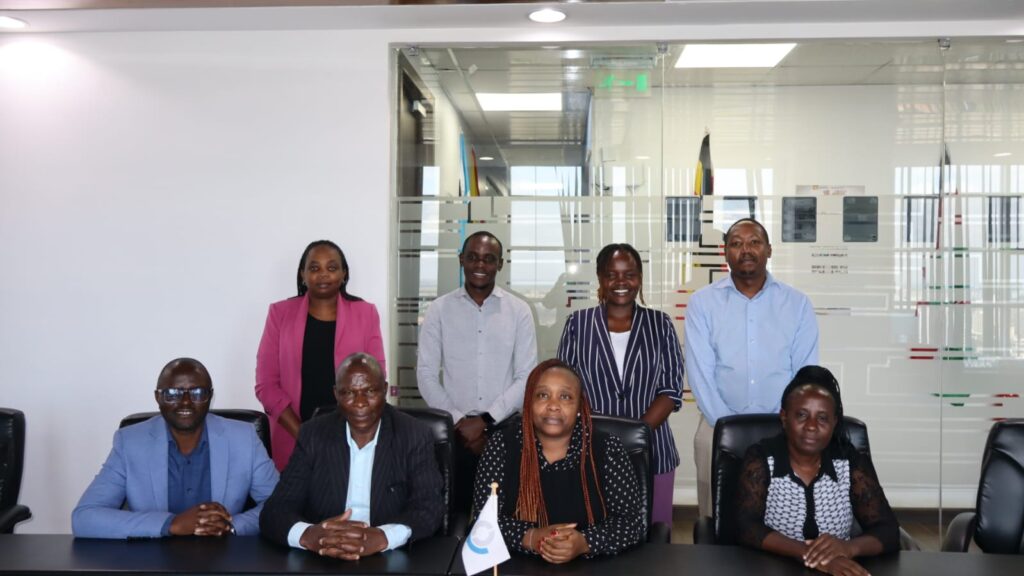
The collaboration between FEAFFA, KIFWA, and WCO ESA ROCB demonstrates the importance of partnerships in advancing trade facilitation. When customs administrations, freight forwarders, and other trade stakeholders work together with a shared understanding of their roles, technology can become a powerful enabler of transparency, efficiency, and legitimate trade.
FEAFFA remains committed to promoting professionalism, capacity building, and cooperation within the freight forwarding industry. Through stronger partnerships and innovative approaches, the region can continue building a logistics ecosystem that supports efficient trade, economic growth, and sustainable development.
The writer, Andrew Onionga, is the Communications and Advocacy Officer at the Federation of East African Freight Forwarders Associations (FEAFFA) secretariat and can be reached at oniongaam@gmail.com.